
- Systemic Access · Intelligence · Data
Accessibility is Participation
SAID transforms barrier reports into actionable data that identifies systemic accessibility failures, reveals recurring patterns, and supports meaningful policy change.
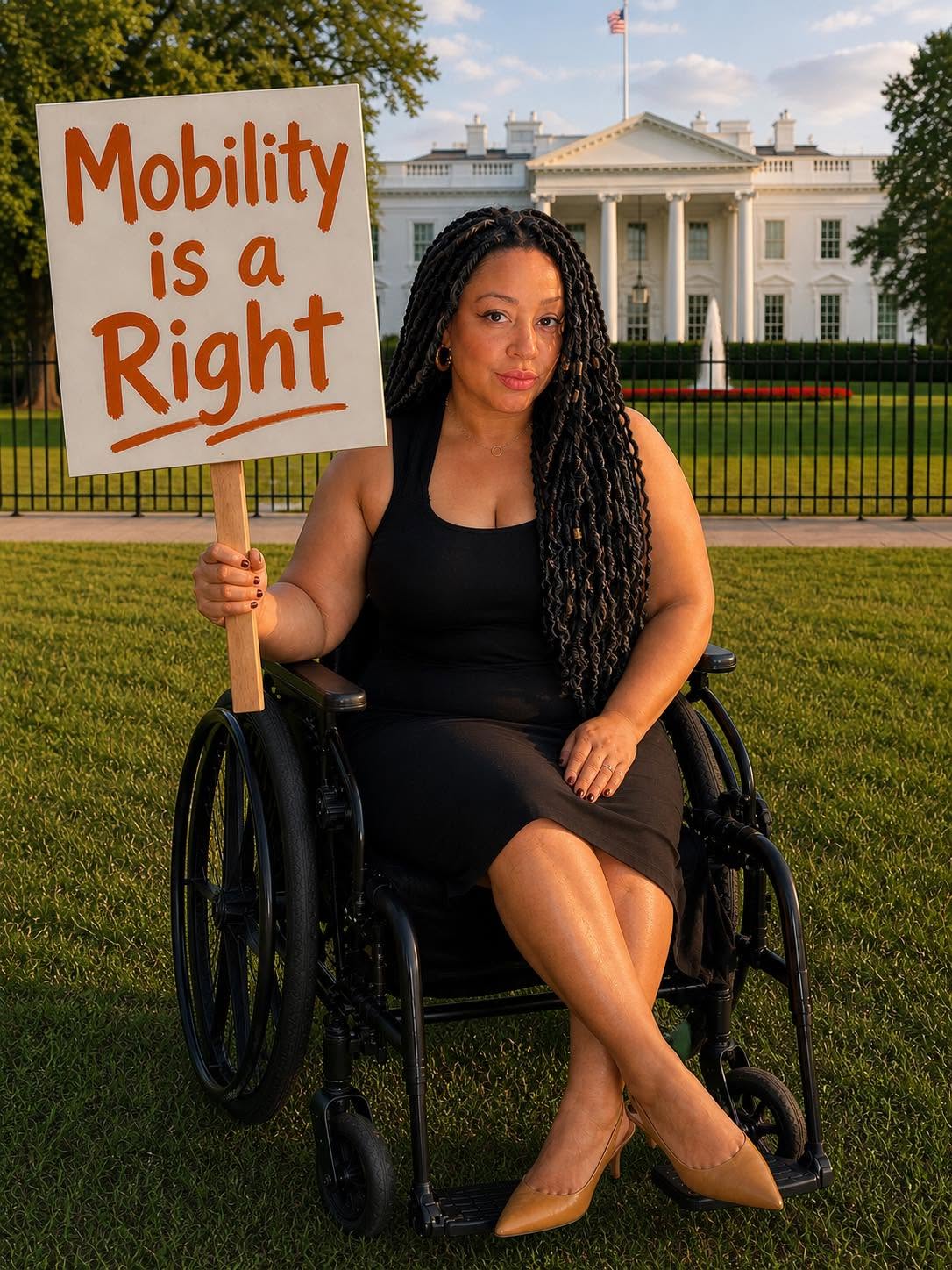
"Mobility is a right — not a privilege."
- Our Mission
Evidence changes how institutions treat accessibility
SAID transforms barrier reports into actionable data that identifies systemic accessibility failures, reveals recurring patterns, and supports meaningful policy change.
SAID is a centralized data and pattern intelligence resource focused on accessibility barriers. Rather than treating barriers as isolated incidents, we identify recurring systemic failures to support research, advocacy, policy development, and long-term systems change. Our focus isn’t simply documenting barriers — it’s understanding the patterns behind repeated exclusion and translating those findings into action.
Four disciplines, one system
Each pillar feeds the next — from a single reported barrier to a policy that prevents it from happening again.

Accessibility Intelligence
Structured collection and analysis of barrier data at scale, so patterns become visible instead of anecdotal.

Barrier Reporting
A simple, low-friction channel for anyone to document a real-world or digital accessibility barrier in minutes.

Research & Reports
Peer-reviewable findings, published openly, built to withstand scrutiny from institutions and journalists alike.

Policy Change
Translating evidence into legislative testimony, institutional standards, and enforceable accessibility commitments.
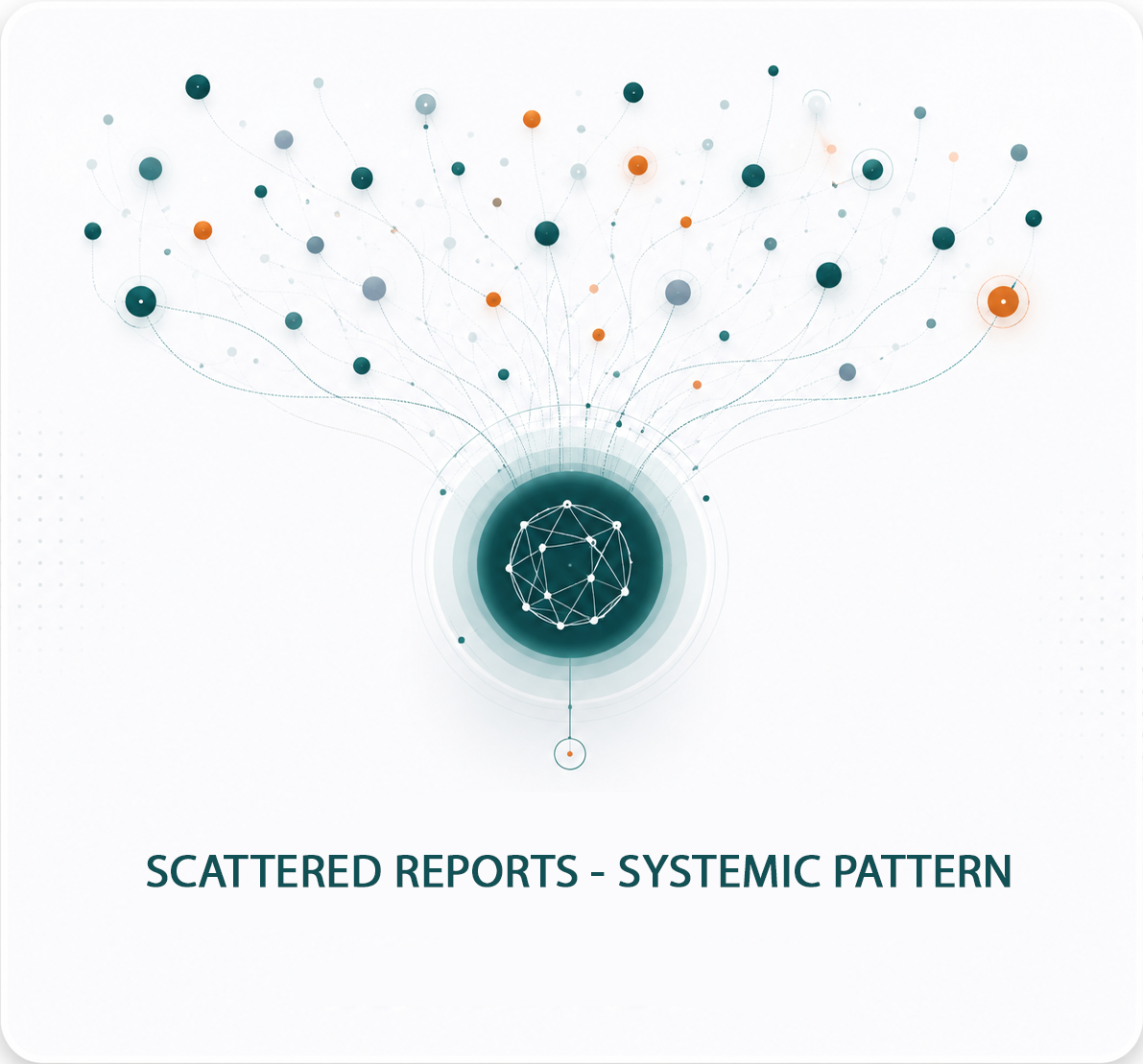
One complaint rarely changes anything. A pattern does.
-
01
The Problem
Accessibility barriers are reported constantly, but scattered across emails, phone calls, and social posts with no shared record.
-
02
Data Collection
SAID gives every report a consistent structure — location, category, severity, and impact — so it can be compared and counted.
-
03
Pattern Recognition
Our research team analyzes clusters of reports to find where systems, not individuals, are failing repeatedly.
-
04
Policy Impact
Findings are packaged into reports and testimony that institutions and lawmakers can act on directly.
“Accessibility is not about checking a box. It is about whether people can safely participate, belong, and thrive.”
Carmen Lucia Gonzalez
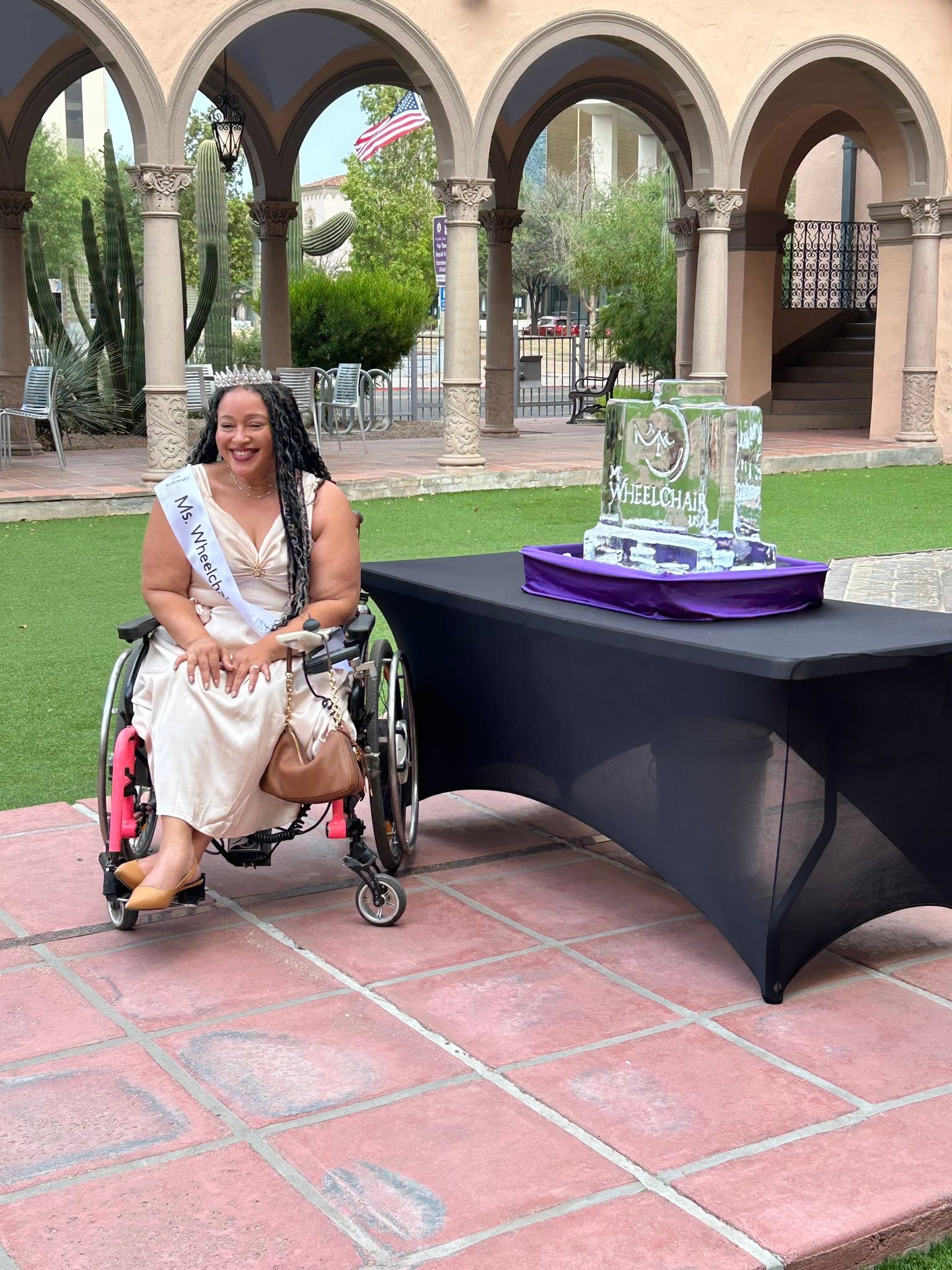
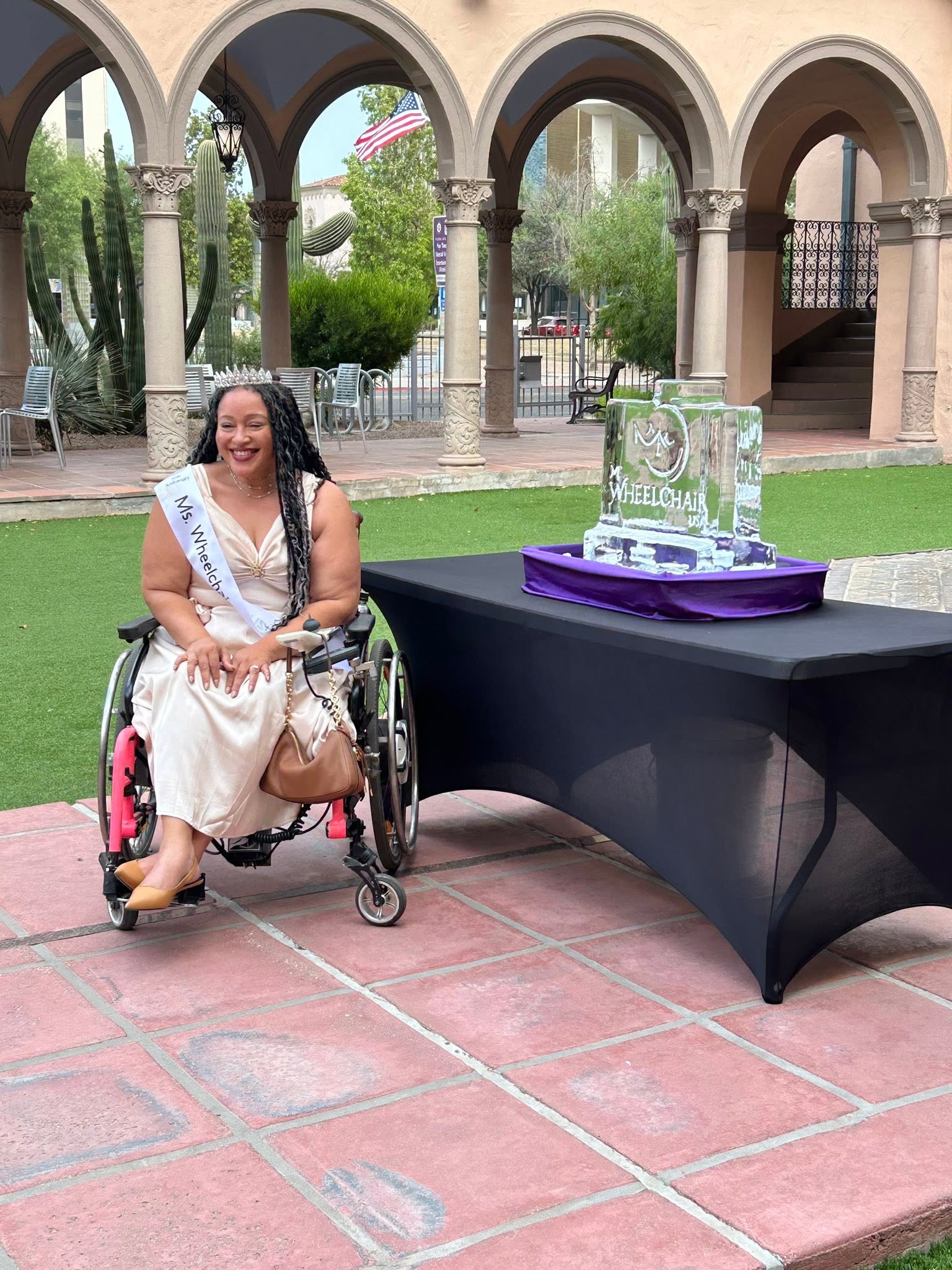
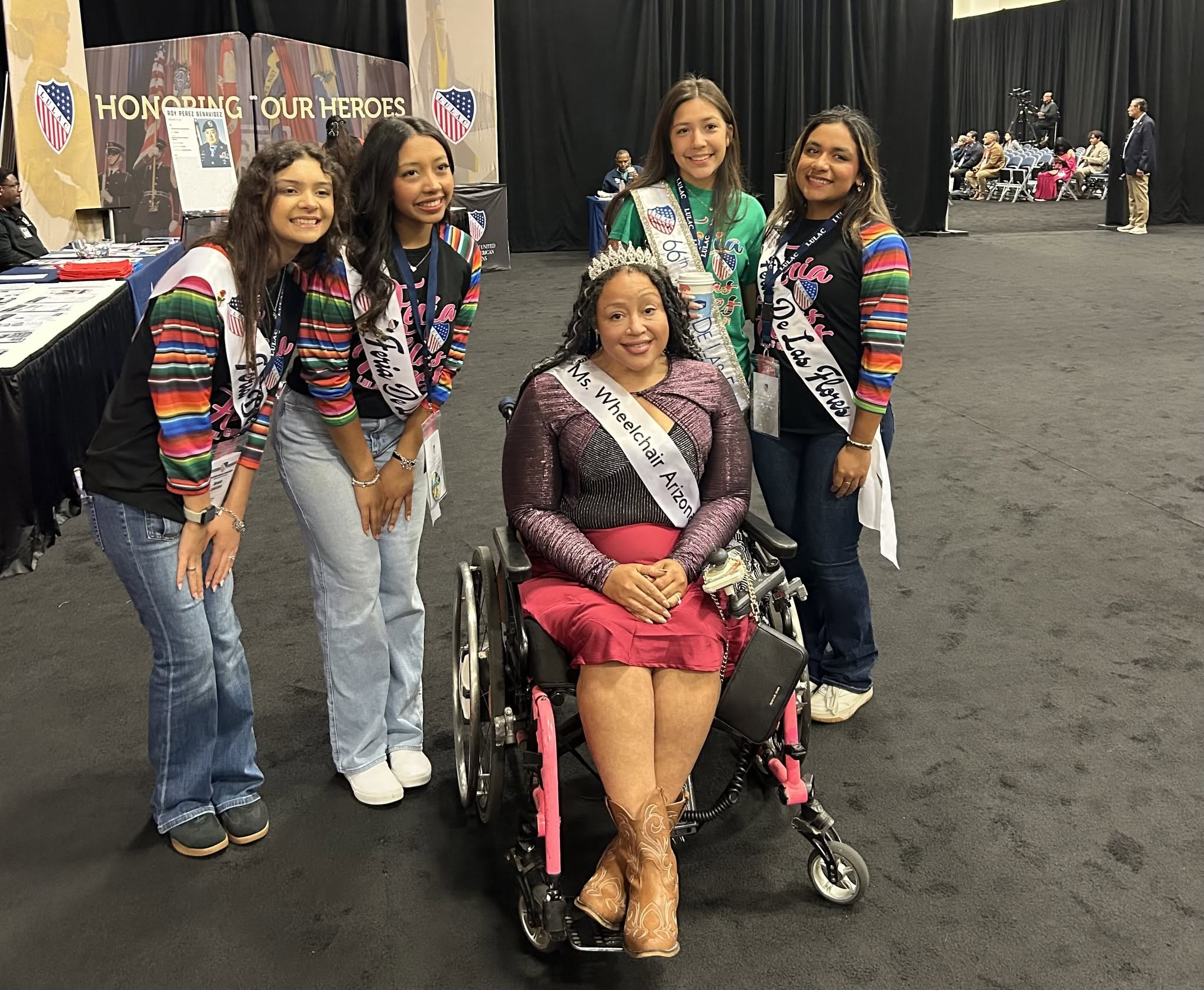
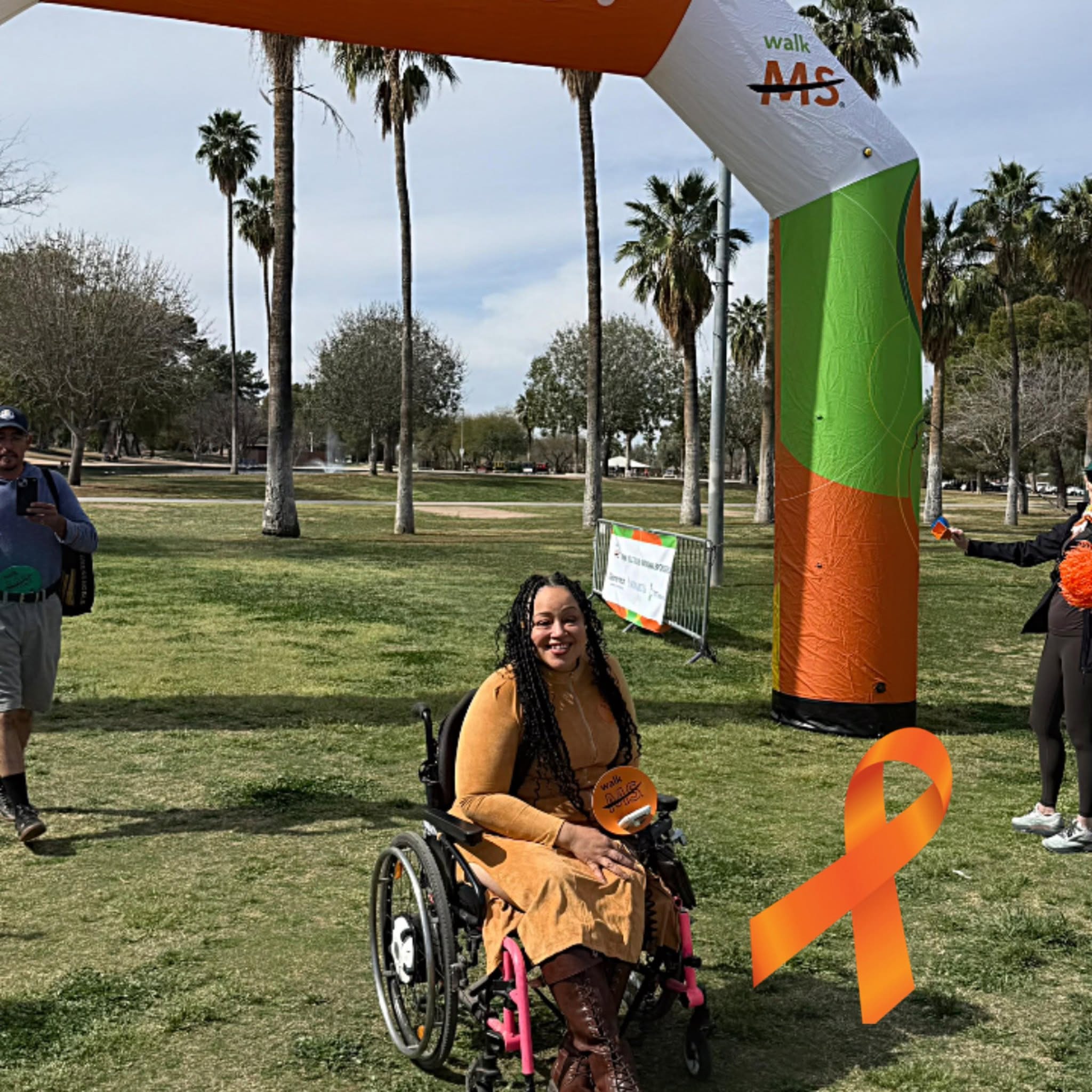
Founder, SAID · Ms. Wheelchair Arizona USA 2026 · National MS Society Ambassador · LULAC Board Member.
Living with Multiple Sclerosis and navigating disability firsthand, Carmen experienced the gap between technical compliance and meaningful access — the realization that accessibility can’t be measured only by whether infrastructure meets minimum standards, but by whether people can fully participate in daily life. SAID was born from repeated exposure to accessibility failures across infrastructure, transportation, public spaces, and community systems, and from one undeniable reality: the problems were everywhere, and no one was systematically identifying the patterns behind them.
Find A Cure Foundation partners with SAID on community outreach, fundraising, and accessibility awareness — supporting our mission without stepping in front of it.
Seen a barrier? Turn it into evidence.
Every report you file becomes part of a dataset that institutions can no longer ignore. It takes about three minutes.
Findings from the field
Transit
The Last Mile: Why Bus Stops Fail Wheelchair Users
An analysis of 340 bus stops across six cities finds that curb height, not vehicle design, is the most common point of failure.
Digital
State of Web Accessibility: Government Portals, 2026
A structured audit of public-sector websites reveals recurring screen-reader and keyboard-navigation failures.
Education
Access Denied: Barriers in Secondary School Admissions
Interviews and submitted reports document how admissions processes quietly exclude students with disabilities.
Learn how SAID works in under 3 minutes.
Podcast
Interview
Article
COMMUNITY
- OUR GALLERY
Building Change Together
Whether you’re reporting a barrier, funding research, or shaping policy — there’s a place for you in this work.